
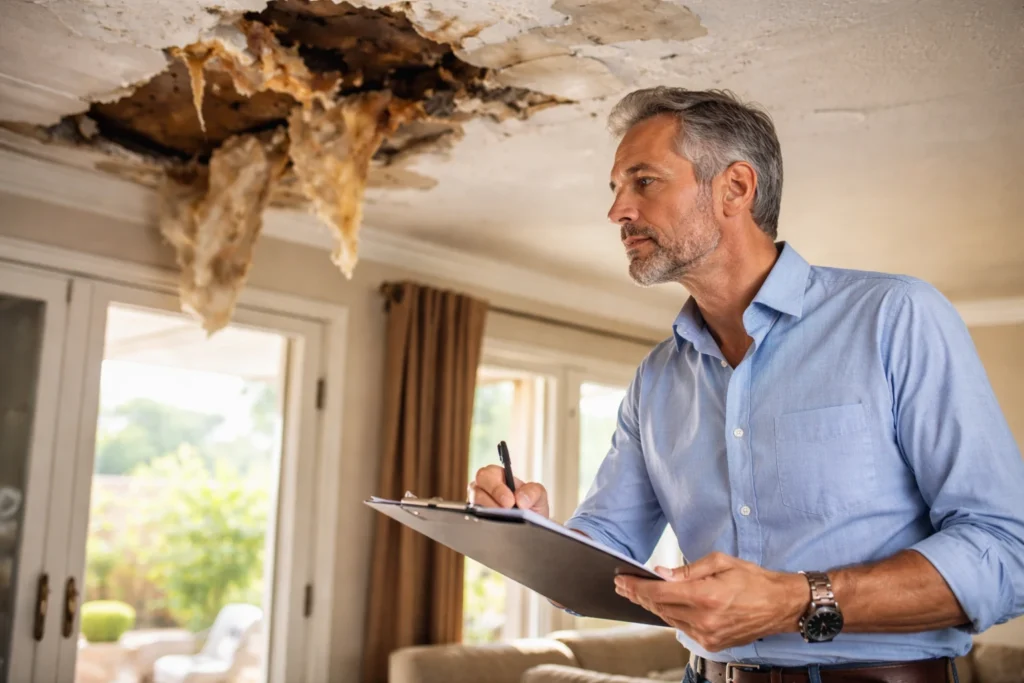
Timing can make or break your insurance claim. I’ve seen it happen too many times homeowners wait, guess, or trust the process blindly… and end up leaving thousands of dollars on the table. If you’re wondering when to call a public adjuster, you’re already ahead of most people. That single decision made at the right moment can completely change your outcome. Let’s break it down clearly, practically, and without fluff.
Why Timing Matters More Than You Think
Insurance claims are not just paperwork. They’re negotiations. They’re documentation battles. They’re about proving value. And here’s the reality once mistakes are made early in the process, they’re hard to undo. That’s why understanding when to call a public adjuster is critical. Not later. Not after frustration kicks in. At the right moment.
What a Public Adjuster Actually Does (Quick and Clear)
Let’s simplify this. A public adjuster works for you not the insurance company.
Here’s how the players differ:
| Type of Adjuster | Who They Work For | Goal |
| Insurance Adjuster | Insurance Company | Protect company payout |
| Independent Adjuster | Insurance Company (contract) | Handle claim efficiently |
| Public Adjuster | YOU (the policyholder) | Maximize your claim payout |
That difference matters more than people realize. A lot more.
The Short Answer: When to Call a Public Adjuster
Let’s get straight to it.
You should call a public adjuster when:
- The damage is significant
- The claim feels complicated
- The insurance offer seems low
- Your claim is delayed or denied
- You don’t have time to deal with it
Simple. But powerful. Now let’s dig deeper into each situation.
Scenario #1: After Major Property Damage
This is the big one.
If your home has experienced:
- Fire damage
- Severe hail or wind damage (common in Lampasas)
- Water damage from leaks or burst pipes
You should strongly consider calling immediately.
Why?
Because early documentation is everything. I’ve seen homeowners take photos that miss key structural issues. I’ve seen damage underestimated. I’ve seen insurance companies rely on incomplete records. A public adjuster knows exactly what to document and how to present it in a way that supports your claim. Miss that window, and you’re already playing catch-up.
Scenario #2: When the Insurance Offer Feels Too Low
Let me say this clearly. If something feels off, it probably is.
Here are common red flags:
- Repair estimates seem surprisingly low
- Important damages are missing from the report
- Depreciation deductions feel excessive
- Contractors say the payout won’t cover repairs
Insurance companies rely on structured methodologies, sometimes resembling an algorithm, to calculate estimates but these don’t always reflect real-world costs in Lampasas. That’s where a public adjuster steps in.
They:
- Reassess the damage
- Build a detailed estimate
- Negotiate directly with the insurer
And yes this often leads to higher settlements. If you’re questioning the numbers, that’s exactly when to call a public adjuster.
Scenario #3: When Your Claim Is Delayed or Denied
Few things are more frustrating. You file a claim… and then silence. Or worse denial.
Here’s why it happens:
- Missing documentation
- Disputed cause of damage
- Policy interpretation issues
This is where things get technical. And where most homeowners feel stuck.
A public adjuster can:
- Reopen denied claims
- Provide additional documentation
- Challenge the insurer’s reasoning
- Push the process forward
If your claim feels like it’s going nowhere, don’t wait. That’s when to call a public adjuster and regain control.
Scenario #4: When the Claim Is Complex or High-Value
Not all claims are equal.
Some involve:
- Structural damage
- Multiple affected areas
- Roofing, electrical, and plumbing issues combined
- Large financial stakes
Complex claims require precision.
Here’s the risk of handling it alone:
| Challenge | Risk Without Expert Help |
| Incomplete damage scope | Lower payout |
| Misinterpreting policy | Denied coverage |
| Poor documentation | Weak negotiation position |
A public adjuster brings structure to chaos. They organize, document, and present your claim professionally. That’s not just helpful it’s strategic.
Scenario #5: When You Don’t Have Time to Manage It
Let’s be real for a second.
Handling a claim is time-consuming.
You’re dealing with:
- Phone calls
- Emails
- Inspections
- Contractors
- Paperwork
Now add your job, your family, your daily life. It becomes overwhelming fast. A public adjuster takes that burden off your shoulders. They manage the process, communicate with the insurer, and keep things moving.
Sometimes, when to call a public adjuster comes down to this simple question: Do you have the time and energy to do this right? If not, it’s worth considering.
Scenario #6: Before You Even File a Claim
This one surprises people. But it’s powerful.
Calling a public adjuster before filing can help you:
- Understand your policy
- Avoid filing weak or unnecessary claims
- Prevent mistakes that lead to denial
- Set up your claim correctly from the start
Think of it as strategic positioning. Not reactive. Proactive. And in many cases, this is the smartest version of when to call a public adjuster.
Why Lampasas Homeowners Face Unique Risks
Lampasas isn’t immune to damage. In fact, certain local factors make claims more complicated.
Let’s break it down:
Weather Risks
- Hailstorms that damage roofing systems
- High winds that impact structures
- Sudden storms causing water intrusion
Property Factors
- Rural properties with multiple structures
- Older homes with aging materials
- Detached garages, barns, or sheds
These variables increase claim complexity. And complexity increases risk. That’s why local expertise matters. A public adjuster familiar with Lampasas understands these nuances and that can make a real difference.
Pros and Cons of Hiring a Public Adjuster
Let’s keep this balanced.
Pros
- Higher claim settlements (in many cases)
- Professional documentation and negotiation
- Reduced stress and workload
Cons
- Fees (usually a percentage of the settlement)
- Not necessary for small or simple claims
The key is knowing when the benefit outweighs the cost.
When You Might NOT Need a Public Adjuster
Not every situation calls for one.
You might not need a public adjuster if:
- The damage is minor
- The claim is straightforward
- The insurance company responds quickly and fairly
If everything is smooth, there’s no need to complicate it. But if things shift even slightly that’s when to reassess when to call a public adjuster.
What Happens After You Call a Public Adjuster
Here’s what the process typically looks like:
- Initial Consultation
They review your situation and policy - Damage Inspection
A detailed, professional evaluation - Documentation
Photos, reports, and estimates - Claim Submission or Review
Ensuring everything is accurate - Negotiation
Back-and-forth with the insurance company - Settlement
Final agreement and payout
Clear. Structured. Focused.
How to Choose the Right Public Adjuster in Lampasas
Not all adjusters are equal.
Here’s what to look for:
- Licensed in Texas
- Experience with local claims
- Transparent fee structure
- Strong reviews or references
Red Flags to Avoid
- High-pressure tactics
- Vague contracts
- Unrealistic promises
Take your time. This decision matters.
Common Mistakes Homeowners Make
Let’s call these out directly.
- Waiting too long to act
- Accepting the first offer without question
- Failing to document damage properly
- Not understanding policy coverage
- Trying to handle complex claims alone
I’ve seen each of these cost people money.
Avoid them.
Final Verdict: When to Call a Public Adjuster
Let’s bring it all together.
You should call a public adjuster when:
- The damage is significant
- The claim feels complicated
- You suspect underpayment
- Your claim is delayed or denied
- You feel overwhelmed
And sometimes… just when something doesn’t feel right.
Trust that instinct.
Because knowing when to call a public adjuster isn’t just about timing it’s about protecting your investment, your home, and your financial future. Act early. Stay informed. And don’t leave money on the table.
FAQs
You should call a public adjuster after significant property damage, when your claim is complex, or if you suspect your insurance payout is too low.
Yes, calling a public adjuster early can help you avoid mistakes, understand your policy, and strengthen your claim from the start.
No, you can hire a public adjuster after filing, especially if your claim is delayed, denied, or underpaid.
In many cases, public adjusters help maximize settlements by thoroughly documenting damage and negotiating with the insurance company.
Public adjusters typically charge a percentage of the final settlement, which is agreed upon before they begin working on your claim.
Large or complex claims such as fire, storm, water damage, or structural issues are the most common situations where hiring one makes sense.
Usually not, as the cost may outweigh the benefit for minor or straightforward claims.
A public adjuster can review your case, gather additional evidence, and help reopen or dispute the denied claim.
It varies depending on the claim, but having a public adjuster often speeds up communication and resolution with the insurance company.
Look for a licensed professional with local experience, transparent fees, and strong reviews or references.